
Operating Cycle
How Revenue Reaches a Practice
A practice's revenue starts as production: the services its providers deliver. What reaches the bank is collections, which can be lower and arrive later than production because of payer mix, contractual adjustments, billing practices, and patient balances. A lender may distinguish between billed revenue, collected revenue, and the cash flow that reliably recurs.
Costs are steadier. Staff, rent, supplies, insurance, and equipment payments come due on schedule, and major equipment eventually needs replacement or upgrading on its own timeline.
That combination is why records showing collections over time can matter as much as the tax return.
Common Requests
What Practices Finance
- Buying an existing practice or a partner's interest
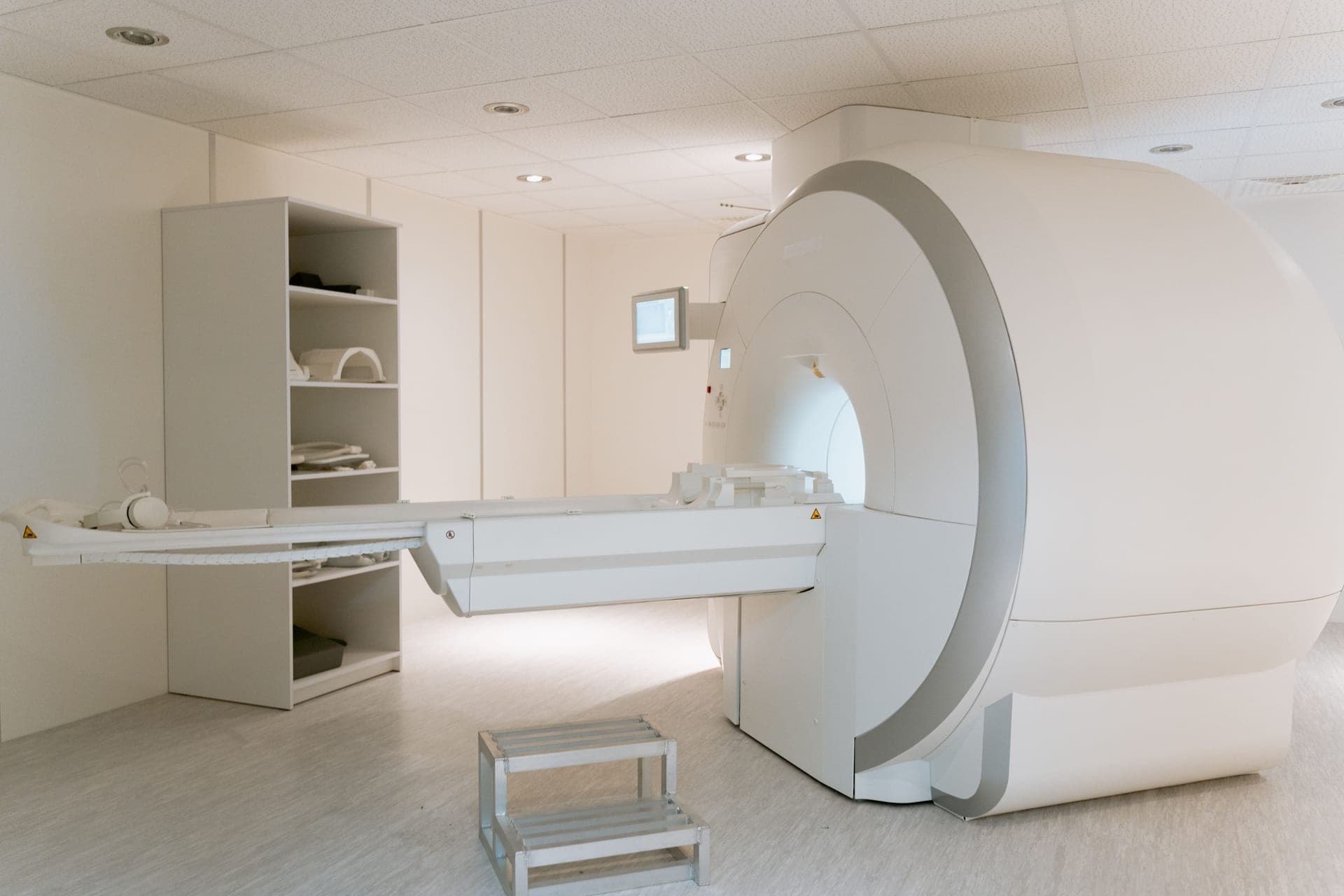
- Diagnostic, treatment, imaging, and dental equipment
- Buildout for a new location or an expanded office
- Purchasing the building the practice occupies
- Working capital after an acquisition or while a new location ramps up
- Refinancing existing practice debt
Industry Specifics
What Shapes a Practice Financing Request
Separating the parts of the transaction
Equipment, working capital, real estate, and acquisition goodwill should each be shown on their own. Goodwill, the value of the practice beyond its equipment and other tangible assets, is often the largest part of a purchase price, and lenders evaluate it differently from equipment or a building.
Complete records on both sides of an acquisition
A practice purchase needs documentation for the buyer, the seller, the entities involved, and the transaction itself. The lender needs the seller's tax returns and current financial statements, and the buyer's projections should be kept separate from the seller's history. Add-backs and projected savings need support, and every source and use of funds, including any seller note, should reconcile to one schedule.
Collections, not just production
Production reports show what the practice billed. Collection reports show what it was actually paid. A file that presents billed revenue as if it were collected can raise questions that slow the review.
Licensing and ownership
Licensing and ownership requirements can determine whether a transaction can proceed at all. Confirming early who will own the practice, and that the required licenses are in place or transferable, keeps those questions from surfacing late.
Records that reconcile
Interim financial statements, the debt schedule, ownership records, and guarantor information need to tell the same story. Unexplained differences between them are a common source of follow-up questions.
Underwriting Review
What Lenders May Review for a Practice
- Historical collections and profitability
- Provider production and how revenue is spread across providers
- Existing practice debt
- Equipment age and replacement needs
- The acquisition price and the portion attributed to goodwill
- Licensing and ownership compliance
- The lease, or the owner-occupied real estate
- Liquidity remaining after closing
- The buyer's clinical and management experience
File Preparation
Practice Document Checklist
Practice records
- Business and personal tax returns
- Current profit and loss statement and balance sheet
- A business debt schedule
- Collection and production reports, where applicable
- Ownership and licensing documentation
- An equipment list, with quotes for anything being purchased
- The lease or property information
Transaction records
- The purchase agreement and the seller's financial statements
- A use-of-funds schedule separating price, equipment, working capital, and any real estate
- A personal financial statement and documentation of liquidity
Readiness
What a Well-Prepared Practice File Includes
- A collections history that supports the proposed payment
- A purchase price broken into goodwill, equipment, working capital, and any real estate
- Licensing and ownership confirmed before submission
- Interim financials, the debt schedule, and ownership records that agree
- Clinical and management experience that fits the practice being bought or expanded
- Liquidity left over after closing
Readiness
What Can Slow a Practice File
- Licensing or ownership questions raised late in the process
- Incomplete seller records in an acquisition
- Billed revenue presented as collected revenue
- Projected savings or add-backs without support
- Equipment, goodwill, and working capital combined into a single number
- A debt schedule that does not match the financial statements
Risk Factors
Risks Lenders Weigh for Healthcare Businesses
- Provider dependence. A practice whose revenue rests on one provider is exposed if that provider leaves or reduces hours.
- Transition after a sale. In an acquisition, lenders may consider how much of the practice's patient base is likely to stay through the change in ownership.
- Equipment obsolescence. Clinical and diagnostic equipment can need replacement before it is fully paid off.
- Occupancy. The lease term, or the cost of owned real estate, needs to support the practice for the life of the financing.
- Post-closing liquidity. A buyer who uses every available dollar at closing has little room for a slow start.
Capital Solutions
Financing Structures for Practices
SBA financing →
For practice acquisitions, partner buyouts, and expansions, where the buyer's experience and the practice's cash flow fit program and lender rules.
Equipment financing →
For diagnostic, treatment, imaging, and dental equipment, secured by the equipment itself.
Business lines of credit and term loans →
A line for working capital, or a term loan for a defined need such as refinancing practice debt.
Commercial real estate financing →
For buying or refinancing the building a practice occupies.
Planning Tools
Estimate the Payment
Business Loan Calculator
Estimate the monthly payment on an acquisition or equipment loan and compare it with the practice's collections.
Open the calculator →Estimates help with planning. Actual terms depend on the lender's review of the full file.
Illustrative Scenario
Example: A Provider Buying an Established Practice
Illustrative example: This scenario combines common financing issues and does not describe a specific SGF client or promise approval.
A licensed provider plans to buy an established practice from a retiring owner and update some of its equipment. The seller's price is a single figure.
The file becomes much stronger once that figure is broken apart. Goodwill, existing equipment, new equipment, working capital, and the lease are each documented separately. The seller's tax returns and collection reports show what the practice has actually been paid, the buyer's licensing and the ownership structure are confirmed, and the buyer's projections are kept separate from the seller's history.
With those pieces in place, a lender can test whether the practice's collections support the debt after closing, including any seller note. The result still depends on that lender's underwriting.
Questions
Frequently Asked Questions
Can practice acquisition financing include equipment and working capital?
It can, depending on the program and the lender. Each part should be shown separately in the use-of-funds schedule, because lenders evaluate goodwill, equipment, and working capital differently.
What financial records are normally required for a medical practice loan?
Business and personal tax returns, a current profit and loss statement and balance sheet, a business debt schedule, and collection or production reports. An acquisition adds the purchase agreement, the seller's financials, and documentation of the buyer's liquidity.
How do lenders evaluate a practice with multiple providers?
They may look at how production and collections are spread across providers and how dependent the practice is on any one of them. Revenue that is spread more evenly is generally less exposed to a single departure.
Can financing cover a new location or buildout?
It can. A buildout request should include the budget, contractor bids, equipment quotes, and the lease, along with the working capital the new location will need before it reaches steady collections.
Why do licensing and ownership records matter before underwriting?
Licensing and ownership requirements can decide whether a transaction can close, and who is permitted to own the practice. Confirming them early avoids a late problem that could stop an otherwise complete file.
Planning a Purchase or Expansion
Bring Us the Practice Numbers
Share the collection reports, current debt, and the purchase or expansion plan. We will review how the parts of the request fit together and which programs and lenders may consider it. The first conversation costs nothing.
Licensing, ownership, and program rules vary by profession, by state, and by lender. All financing is subject to lender underwriting. This page is general information, not legal, tax, accounting, or regulatory advice.